Research

Research

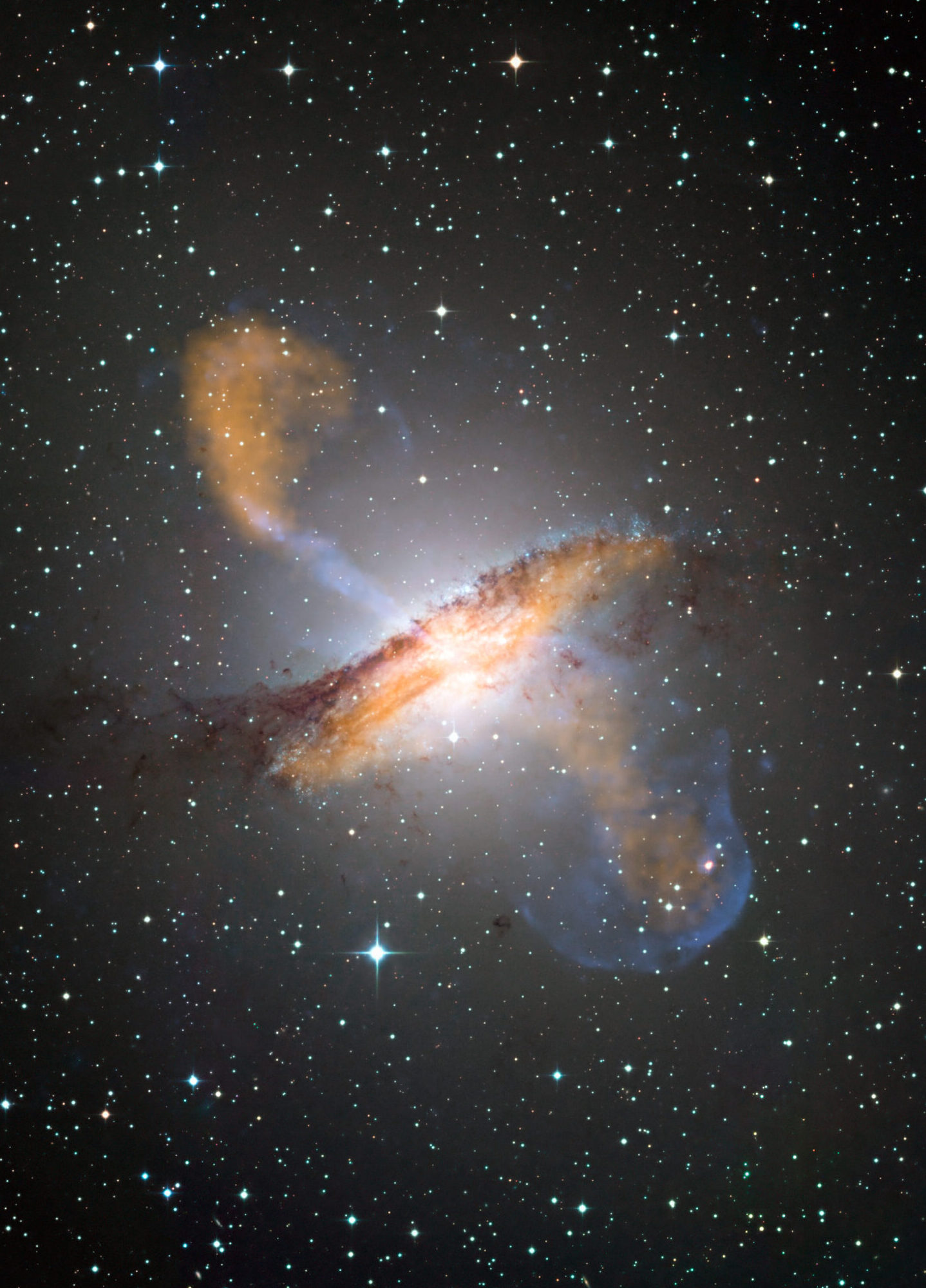
centaurus a
Centaurus A (ESA)

Black holes

Black holes are extraordinary regions of the universe. They are regions of spacetime itself with very special properties. A black hole’s event horizon separates its interior from the rest of the universe. Matter, light, and information can cross the event horizon from the outside into the black hole. However, there is no possibilty that leads back across the event horizon to the outside universe.

The gravity of a black hole attracts surrounding matter, which may either fall into it or orbit around it. Radiation emitted by matter in the extreme environment near a black hole can travel across the universe and reach Earth, allowing black holes and their surroundings to be observed.

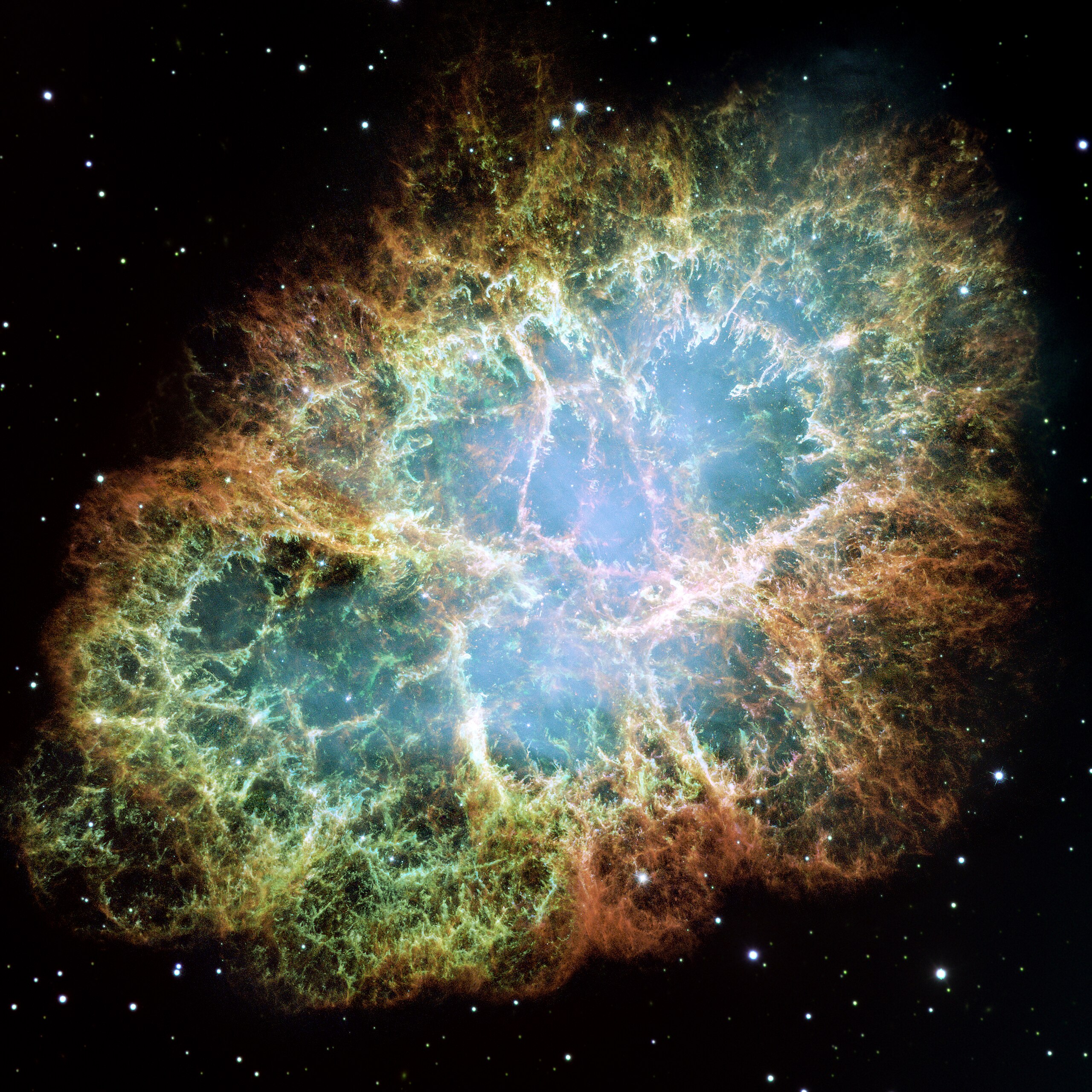
crab nebula
Crab nebula (NASA)

Neutron stars

Neutron stars are extremely compact remnants formed in the collapse of a massive stars and are extreme in every aspect. They are the densest known objects composed of matter, with a mass comparable to the Sun compressed into a radius of about 10 kilometer. At such densities, just one teaspoon of neutron star material weighs as much as all people on Earth combined.
Their surface gravity is roughly one hundred billion times stronger than Earth’s gravity. Neutron stars also possess exceptionally strong magnetic fields, reaching up to a trillion times the strenght of Earth’s magnetic field, and they can rotate as fast as hundreds of rotations per second.
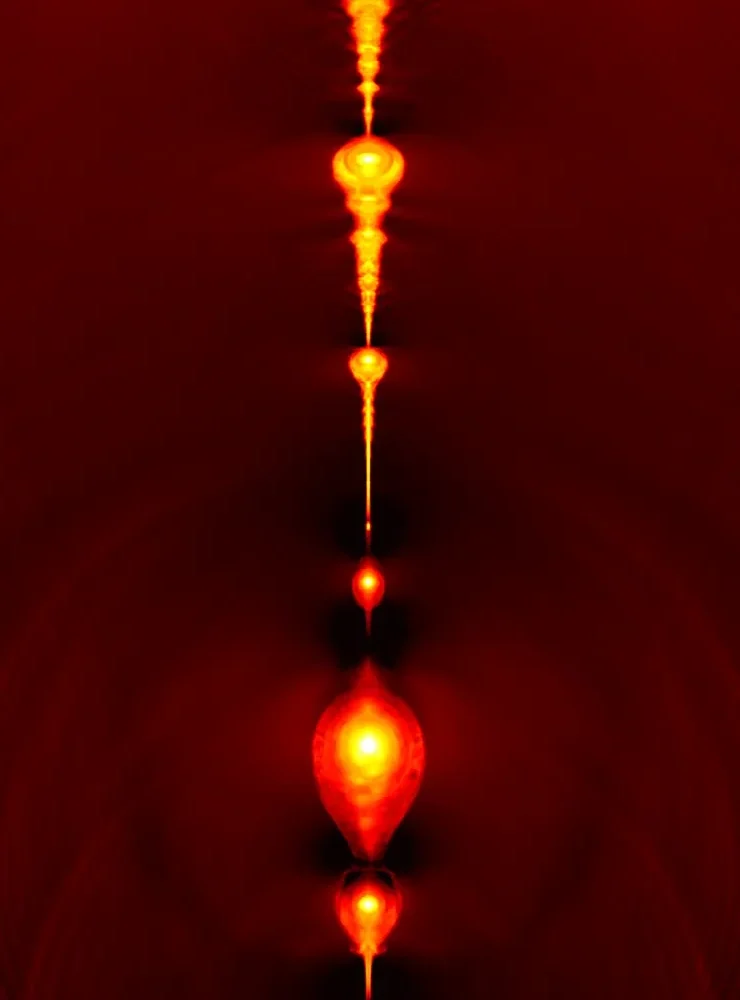
plasmoids
Magnetic reconnection layer (simulation)

Plasma physics

Plasma is a gas-like state of matter composed of ionized atoms and elementary particles. Almost all visible matter in the universe exists in the form of plasma. As a result, understanding plasma dynamics in extreme environments is essential for explaining many high-energy astrophysical phenomena.

Magnetic reconnection is a fundamental plasma process that is thought to play a central role in rapid energy release in astrophysical magnetic fields. During magnetic reconnection magnetic field energy is converted into the kinetic and thermal energy of plasma particles. This energy can subsequently be radiated, giving rise to observable high-energy emission.